
Complex Orthodontics
Complex Orthodontics
Complex orthodontic
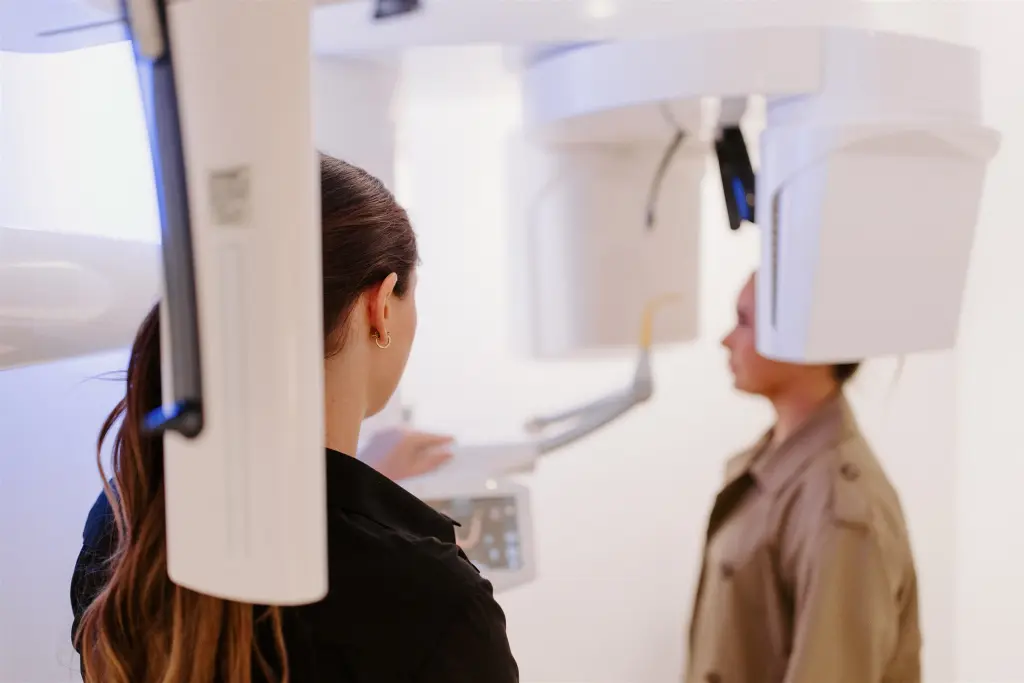
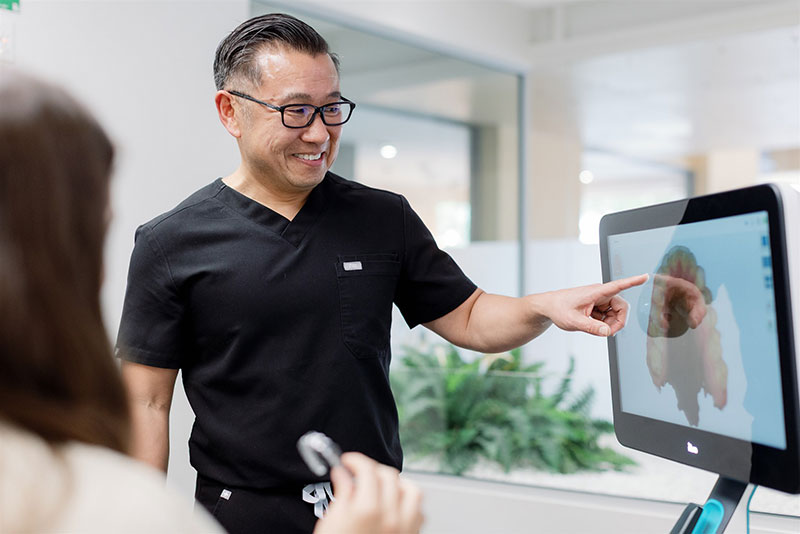
cases often involve significant challengesSuch as severe crowding, skeletal discrepancies, impacted teeth, facial asymmetry, or treatment following trauma or surgery. These cases require advanced diagnostic insight, precise planning, and often interdisciplinary coordination with other dental or medical specialists. Our practice is highly experienced in managing these intricate scenarios, providing tailored solutions that deliver both functional and aesthetic outcomes.
While complexity demands expertise, it also requires restraint—knowing when to intervene, how to sequence care appropriately, and how to communicate clearly with patients and their families. Our patients can trust that every recommendation is made with long-term stability, health, and aesthetics in mind, never based on unnecessary treatment or overtreatment.
Sleep Disorders & Breathing
Sleep and breathing issues are often closely linked to the way the jaws and airway develop. Narrow arches, mouth breathing, and a restricted airway can contribute to snoring, restless sleep, daytime tiredness, and difficulties with concentration in both children and adults. These concerns are often overlooked but can have a significant impact on overall health and wellbeing.
As orthodontists, we assess how jaw shape, dental crowding, tongue posture, and airway development affect breathing during sleep. Identifying these factors early allows us to guide growth, improve nasal breathing, and reduce the risk of long-term sleep-related problems.
Micro implants
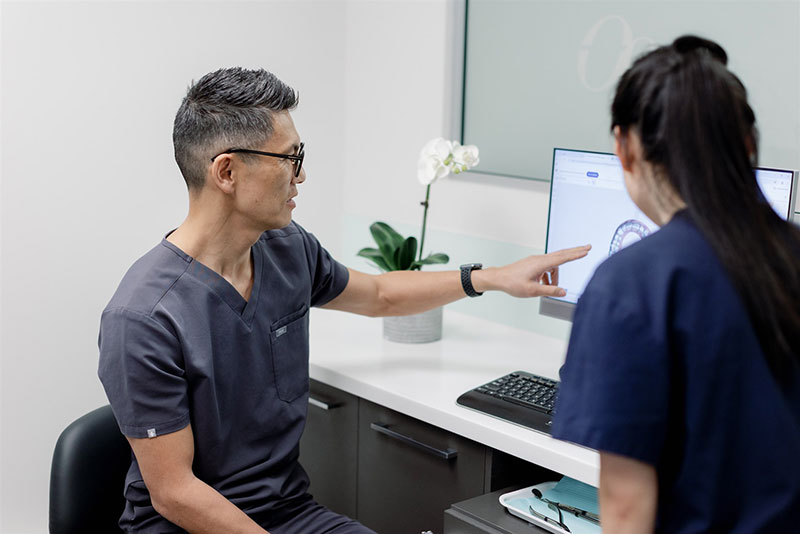
Micro-implant supported orthodontics uses small, temporary titanium anchors to provide highly stable points of support during tooth movement. These micro-implants (also called TADs) are gently placed into the bone and act as fixed anchors, allowing teeth to be moved with greater precision and efficiency. Because they do not rely on patient cooperation or traditional anchorage from other teeth, they can make certain types of treatment faster, more predictable, and less reliant on bulky appliances.
TADs are especially useful for correcting difficult movements such as closing spaces, intruding or uprighting teeth, and improving bite relationships. Placement is quick, comfortable, and usually requires only topical or local anaesthetic. Once their job is done, they are simply removed. Micro-implants allow us to achieve movements that previously required more complex or invasive treatment, giving patients a more streamlined and effective orthodontic experience.
From initial diagnosis through to the final phase of treatment
Patients in our care benefit from the highest standard of orthodontic excellence. Whether a case involves jaw surgery, coordination with other dental specialists, or long-term growth monitoring, we are uniquely equipped to guide even the most challenging journeys to successful outcomes—with clarity, compassion, and deep clinical confidence.